Why spent sawing slurry is recycled
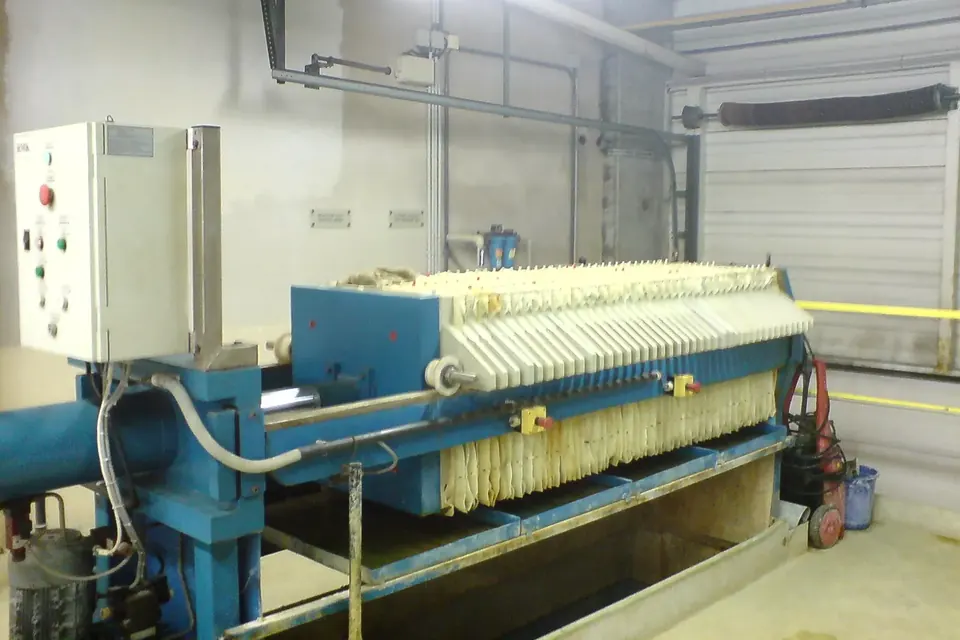
Spent sawing slurry is not one uniform waste. It is a mix of valuable and harmful fractions: still-usable SiC grains, glycol, extremely fine silicon, broken grit and metal debris. Reprocessing separates them so that most of the material can go back to the saw.
What a used slurry contains
A reprocessing patent describes spent sawing sludge as fine solids in liquid, mainly SiC grains of 15 to 20 µm effective diameter, plus steel debris from the wire, partly stuck to SiC grains, and silicon fines that are largely free of SiC (EP 2 274 767 A2). A paper by Neesse and co-authors likewise describes the residue as a mixture of SiC, silicon and iron in PEG ("Recycling of silicon carbide and silicon from wafer sawing slurry", Eurasian Physical Technical Journal 9 (2), 2012).
| Fraction | Origin | Value |
|---|---|---|
| Coarse, intact SiC grains | Fresh grit with little wear | Reusable; the main target of reprocessing |
| Fine and broken SiC | Worn grains | Barely cuts, raises viscosity; removed |
| Silicon fines | Kerf from the crystal | Disturbs the slurry; potentially valuable but hard to recover pure |
| Iron and steel debris | Wire wear | Contaminant; removed magnetically or chemically |
| Glycol (PEG) | Carrier fluid | Reusable once water and fines are removed |
Four reasons to reprocess
1. Materials and cost
SiC grit and glycol are consumables that pass through every cut in large quantities. Recovering the usable share means buying less fresh material. Murthy's review calls reprocessing of used slurry significant for both cost and environmental reasons, compares processes and selection criteria, and discusses whether to treat slurry in-house or through a service provider, noting a trend towards in-house recycling (Resources, Conservation & Recycling 104, 2015, pp. 194–205).
2. Less waste
Without reprocessing, the entire slurry would become waste to be disposed of. EU waste law puts prevention and preparing for re-use at the top of the waste hierarchy, ahead of recycling, other recovery and disposal (Article 4 of the Waste Framework Directive 2008/98/EC). A slurry kept in the loop relieves both ends: disposal and raw material supply.
3. Stable process quality
A slurry overloaded with silicon cuts worse: viscosity and density rise and cutting forces increase. A Fraunhofer THM experiment showed forces in the wire direction rising from cut to cut as silicon accumulated (Kaden et al. 2018). Reprocessing removes the fines and brings the slurry back to a defined composition.
4. The value of the silicon
The sludge contains high-purity silicon that has already gone through energy-intensive purification and crystallisation. One patent speaks of losing around 40 to 50 % of the silicon during wafering (EP 2 274 767 A2); another gives a range of roughly 25 to 50 % of the ingot (US 8,528,740). Recovering this silicon is far harder than recovering SiC and glycol; see kerf loss and silicon recovery.
Where the limits are
- Ultrafine particles: silicon and SiC particles in the micrometre and sub-micrometre range are hard to separate from each other and from the liquid. A Chinese patent points out that membrane filters clog when applied directly to untreated slurry (US 8,734,751).
- Similar density: silicon and silicon carbide differ in density, but not enough for gravity alone to sort fine particles cleanly. Separation therefore relies mainly on size: silicon kerf is much finer than usable SiC grit.
- Metal contamination: iron from the wire has to come out if the grit is to cut cleanly again and if the silicon is to be usable.
- Process change: with the move to diamond wire, SiC slurry has largely disappeared from photovoltaics; recycling there has shifted to water-based coolants and silicon kerf.
In-house or outsourced
Slurry can be reprocessed inside the wafer plant or by a specialist that collects spent slurry and returns it treated. The two models differ in investment, logistics and quality control; Murthy compares them in his review. For a new plant, the choice also affects site planning: in-house reprocessing needs space, utilities and permits for an extra process unit, as discussed in the article on site requirements for wafer and chip plants.
A loop instead of single use
Ideally a closed loop forms: spent slurry is drawn off and separated, the reusable SiC fraction and cleaned glycol are topped up with fresh material to specification and returned to the saw. Only fines, metal and silicon kerf leave the loop for further recovery or disposal. The individual separation steps are described in how SiC and glycol are recovered.
 Slurry & Recovery
Slurry reprocessing, step by step
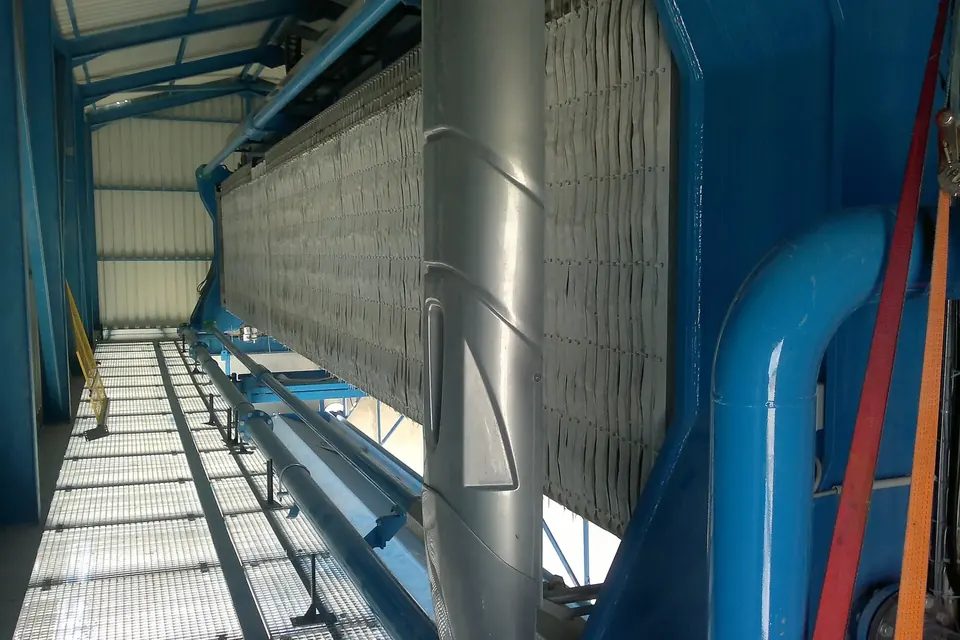
Centrifuges, hydrocyclones, etching and evaporation: the five basic steps of slurry recovery.
 Slurry & Recovery
Kerf loss and silicon recovery
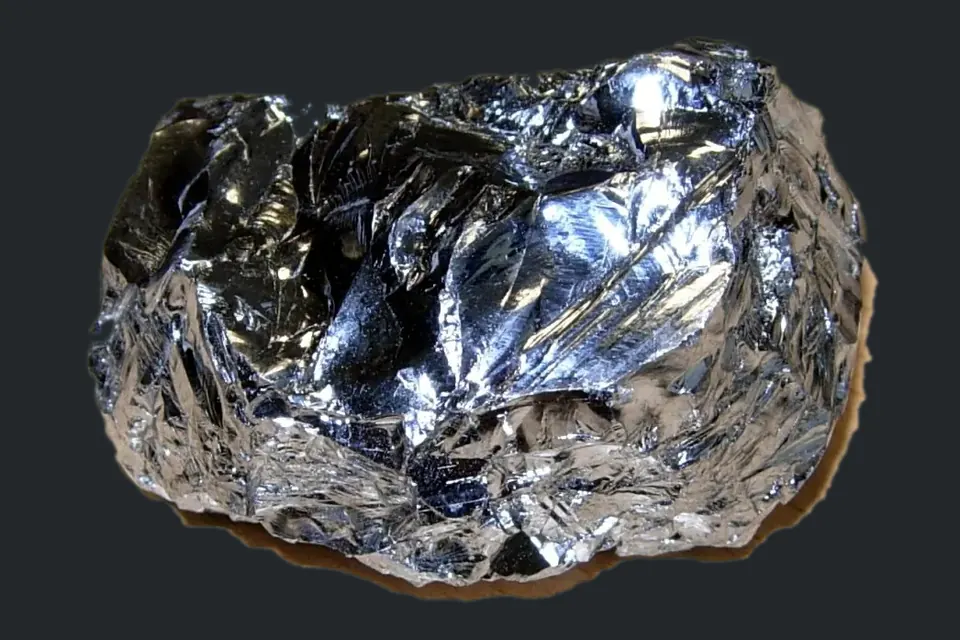
How much silicon is lost in the cut, why it is hard to win back and which recovery routes research describes.
 Industry & Policy
Solar module recycling and the WEEE Directive
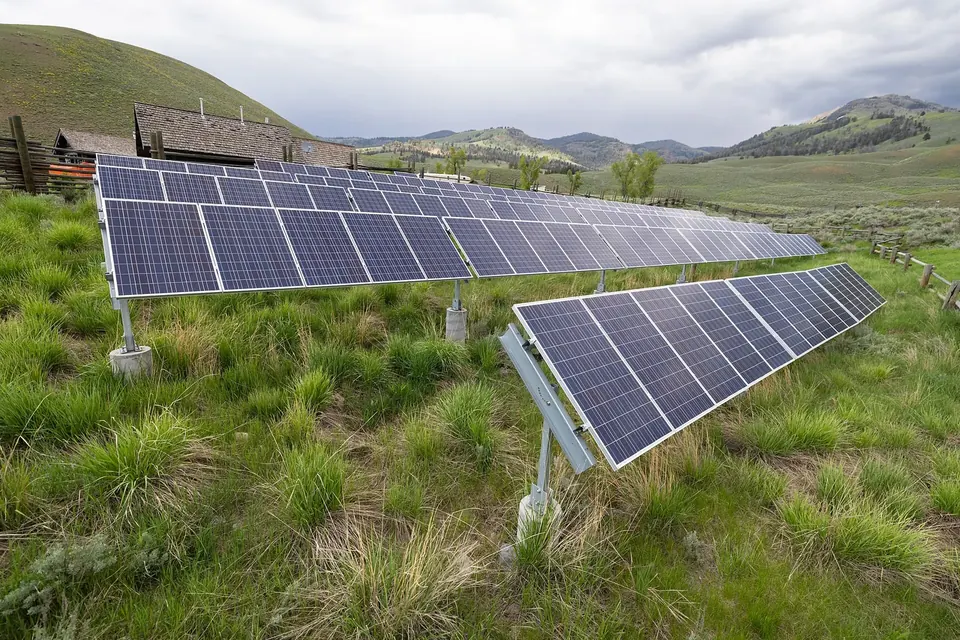
How the WEEE Directive covers solar panels, which recovery targets apply and where circularity really stands.