Slurry & Recovery
What a sawing slurry is made of, why it is reprocessed and how silicon carbide and glycol are separated.
- Kerf loss and the recovery of silicon from sawing waste
How much silicon is lost as kerf during wafering, why it is so hard to recover from slurry, what diamond wire changed, which contaminants matter and which recovery routes research describes.
- Slurry reprocessing: how silicon carbide and glycol are recovered
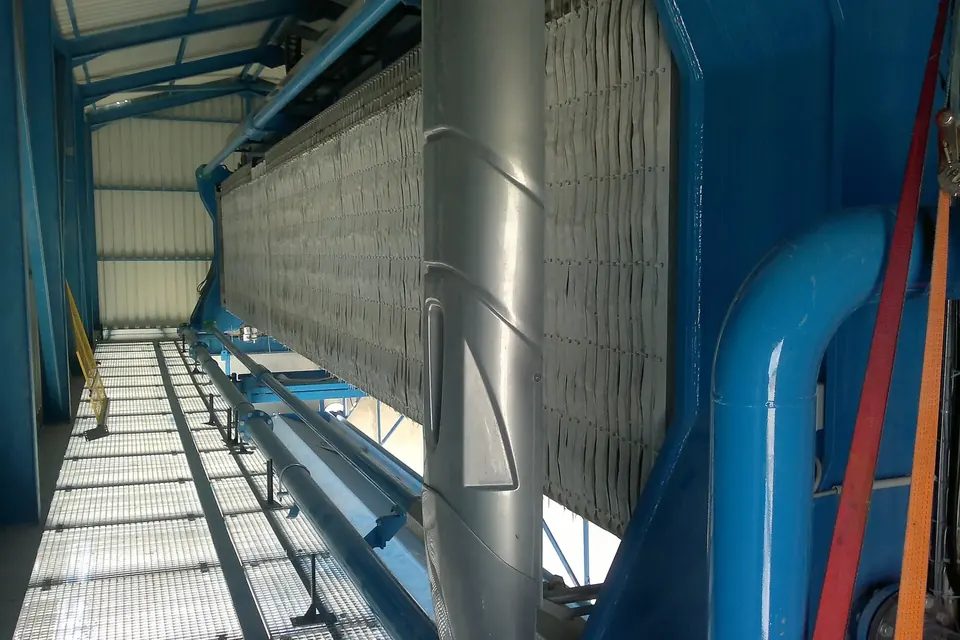
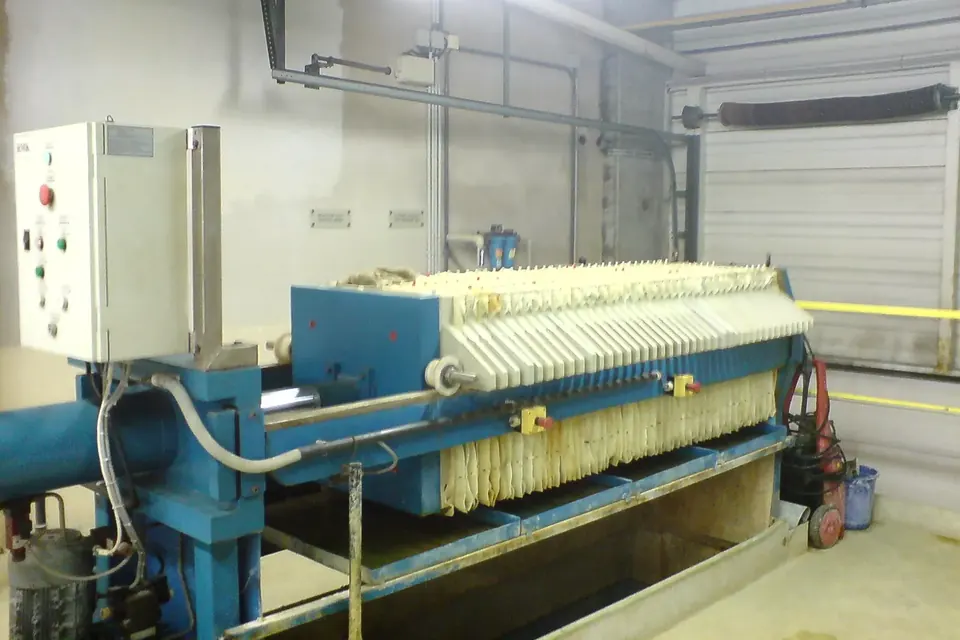
The unit operations of wire-saw slurry recovery: solid-liquid separation, hydrocyclones and centrifuges, grit classification, removal of silicon and iron, and recovery of the glycol.
- Why spent sawing slurry is recycled
What a spent wire-saw slurry contains, why silicon carbide and glycol are reused, how cost, EU waste law and resource value drive reprocessing, and where the limits are.
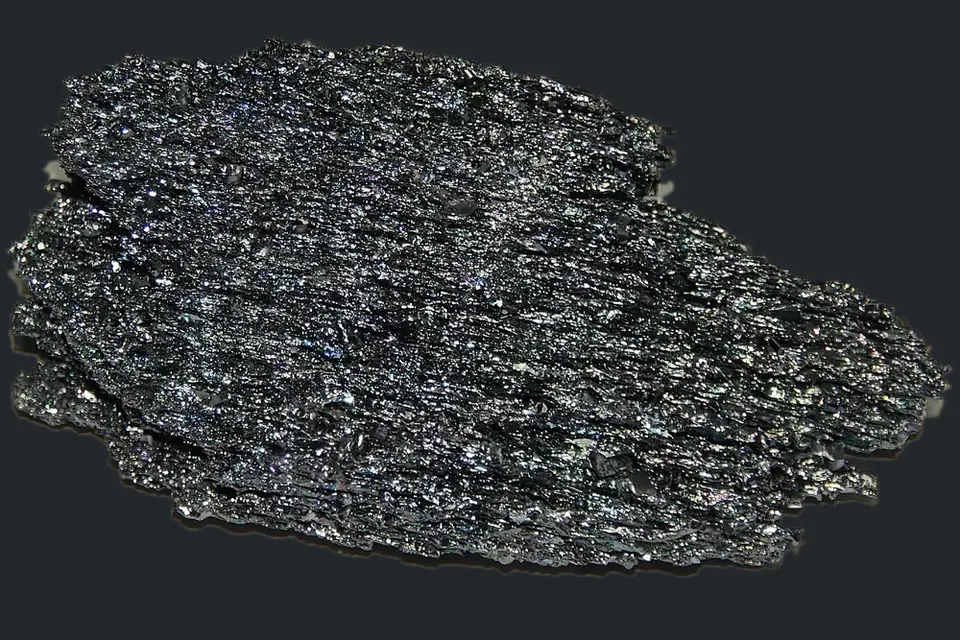
- Wire-saw slurry: silicon carbide, glycol and what each component does
What a wire-sawing slurry is made of: SiC grit, polyethylene glycol carrier and additives, what each component does, which parameters are monitored, and how the slurry degrades during sawing.