Finding contacts worldwide: how to choose and approach slurry recyclers and SiC suppliers
Anyone who wants to hand over spent sawing slurry, buy reprocessed silicon carbide or have glycol recovered first needs the right contact. This page names no companies and does not broker introductions. It explains which kinds of providers exist, where to find them, what a useful enquiry contains and which records to check before signing a contract, at home and abroad.
Who offers what
Several groups of companies work around loose-abrasive wire sawing, and their activities overlap. Knowing exactly which service you need makes it much easier to reach the right person.
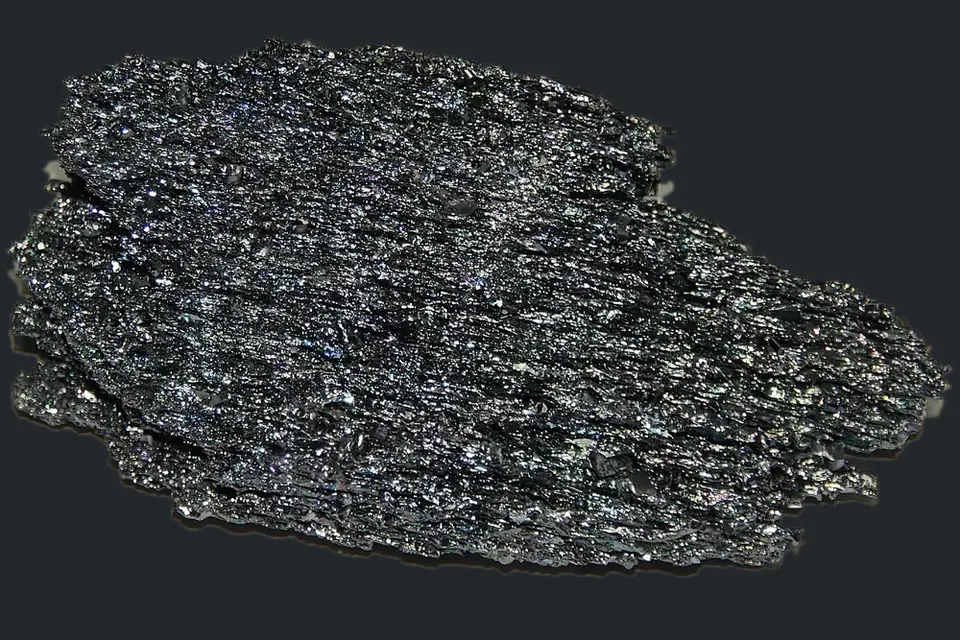
- Producers of silicon carbide and abrasive grit. They make SiC in the Acheson furnace or buy crude crystal, then crush, mill and classify it and deliver grit sizes to a standard. How the material is made is explained in Silicon carbide and the Acheson process.
- Slurry reprocessors. They separate used slurry into reusable SiC grit, carrier fluid and residues. Some run plants directly at the wafering site; others collect the slurry and treat it at their own works. The unit operations are described in Slurry reprocessing.
- Carrier-fluid suppliers. Polyethylene glycol and other glycols come from the chemical industry or chemical distributors; recovered glycol is sometimes offered by the reprocessor itself.
- Licensed waste contractors. What cannot be reprocessed, such as silicon fines with metal debris or spent caustic solutions, must be recovered or disposed of properly by contractors authorised for that waste.
- Testing laboratories. Independent labs measure particle size distribution, solids content, water and metal content. Their results often underpin price, waste classification and the quality agreement.
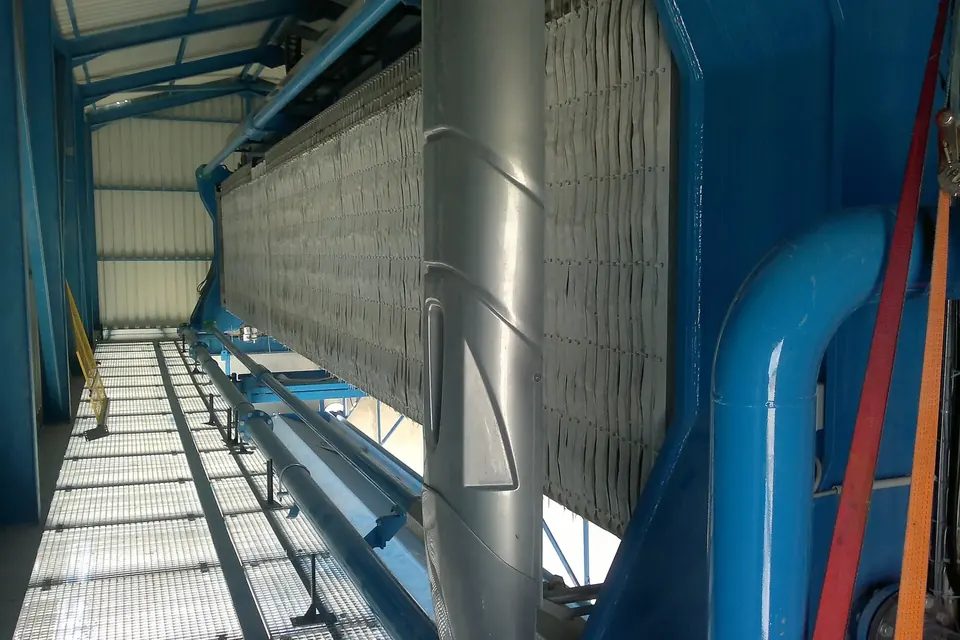
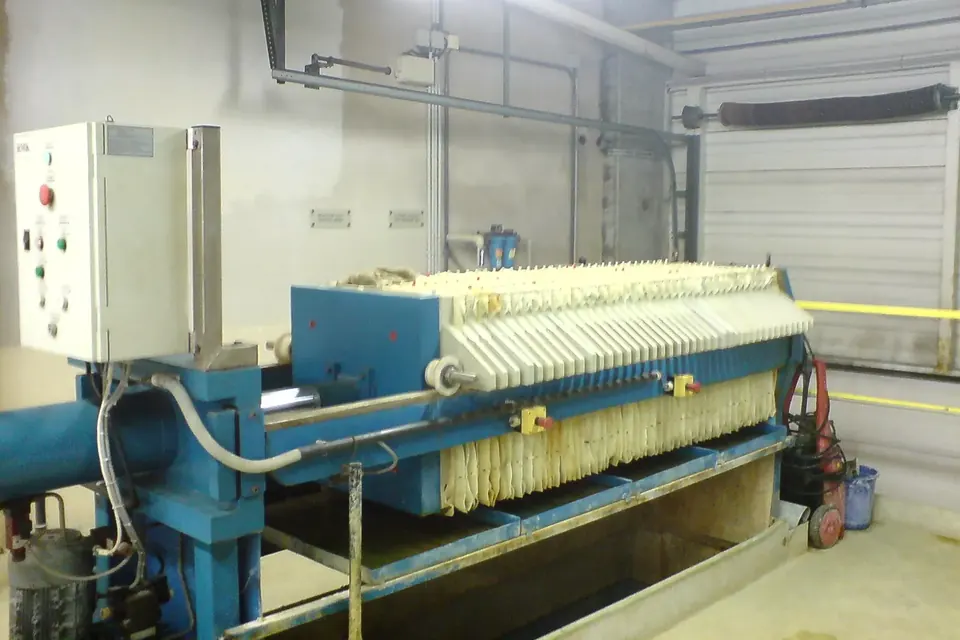
- Equipment makers. Anyone planning in-house reprocessing talks to suppliers of centrifuges, hydrocyclones, filter presses and distillation units.
Where to find reliable providers
No single complete list exists. In practice it helps to combine several sources and then check each lead yourself.
Trade associations and standards bodies
European abrasive producers belong to a common trade federation, which also publishes the FEPA grit standards. Associations in the recycling, waste management and machinery sectors keep member directories that can usually be filtered by activity. Membership is not proof of quality, but it shows that a company is genuinely active in the field.
Public registers and authorities
For waste services, public sources are worth checking. Under the EU Waste Framework Directive, establishments that treat waste need a permit, and those that collect or transport waste professionally must be registered (Directive 2008/98/EC, EUR-Lex). National or regional authorities can tell you which facilities in an area are authorised for a given type of waste, and many chambers of commerce run exchanges where firms offer or seek residues.
Research and technical literature
Research institutes in photovoltaics and semiconductor technology publish studies on slurry reprocessing and on recovering silicon from kerf. The authors and their industrial partners are often the best indication of who actually runs a process. Patent documents also name applicants who are, or were, active in a field.
Trade fairs and your own suppliers
Equipment makers, material suppliers and service providers exhibit at solar and semiconductor trade fairs. The suppliers of your saws, wire and grit usually know which reprocessors their customers work with and can point you in the right direction.
What a good enquiry contains
The more precise the enquiry, the more reliable the offer. For handing over used slurry or for toll reprocessing, these details help:
- Quantity and rhythm: monthly volume, containers (bulk tanks, tankers, IBCs), preferred collection intervals.
- Composition: type of carrier fluid, grit size used (for example F500 or F600), solids content, silicon and iron picked up during sawing. Recent lab analyses and representative samples save many questions. What a slurry contains and how it changes in service is covered in Wire-saw slurry.
- Legal status: whether the material is handled as waste, as a by-product or as a raw material, with its waste code and the safety data sheets of the input materials.
- Desired outcome: reprocessed grit returned to your own plant, purchase by the reprocessor, or disposal only.
- Specification of the returned product: particle size distribution, permitted fines, limits for silicon, metals and water, test methods and tolerances.
When buying reprocessed grit or glycol, describe your own specification instead: the standard designation of the grit, the quantities needed and the test certificates required for each batch.
What to check before signing
Permits and certificates
Ask to see the permit of the treatment plant and any certificates, and check that your waste type is actually covered. Rules differ between countries, so ask for the local equivalent of the documents you would expect at home.
Records and paperwork
Hazardous waste is subject to record-keeping and tracking duties under EU and national law. Even if the material is not hazardous, the contract should say who issues and keeps which documents: delivery notes, weighbridge tickets, analyses and certificates of recovery. These records later show that the waste was recovered properly.
REACH and safety data sheets
Anyone placing recovered silicon carbide or glycol on the market has to clarify its REACH status and supply an accurate safety data sheet. The reasons why slurry is reprocessed at all, and where the limits are, are covered in Why spent sawing slurry is recycled.
Safety and transport
Slurry containing silicon can release hydrogen in contact with water, and dried fines can create dust. A serious partner asks how the material is stored and shipped and has its own rules for containers, ventilation and sampling.
Partners abroad
Wafer production is spread across the world, and many reprocessing plants sit close to large wafering sites. Moving slurry across a border brings waste shipment law into play. In the European Union this is governed by the waste shipment regulation; Regulation (EU) 2024/1157 is progressively replacing the earlier Regulation (EC) No 1013/2006 (Regulation (EU) 2024/1157, EUR-Lex). Depending on how the waste is classified and where it goes, a movement document may be enough, or a notification procedure with the consent of the authorities involved may be required. Exports outside the EU face additional restrictions that go back to the Basel Convention.
In practice: talk to the competent authority early, record the classification in writing and allow time for approvals in the schedule. Reprocessed products that are no longer waste follow the normal rules for chemicals and customs instead.
Common mistakes
- Unclear ownership: in toll reprocessing the material stays the customer's property; in a purchase it changes hands. That affects liability, price and paperwork.
- No reference sample: without a jointly drawn and sealed sample, a dispute about quality is hard to settle.
- Limits without a test method: a limit value is only comparable if the method and the laboratory are agreed.
- Looking only at the price: transport, analyses, rejects and disposal of residues belong in the comparison.
In short
The right contact is easier to find when you know your own enquiry precisely: quantity, composition, classification and desired outcome. Associations, registers, technical literature and your suppliers help with the search; permits, certificates, records and safety data sheets decide the choice. Kerf & Korn does not offer any of these services and does not broker contacts (see About Kerf & Korn).
 Slurry & Recovery
Slurry reprocessing, step by step
Centrifuges, hydrocyclones, etching and evaporation: the five basic steps of slurry recovery.
 Slurry & Recovery
What a sawing slurry is made of
SiC grit, polyethylene glycol and additives: what each component does and how the slurry wears out.
 Slurry & Recovery
Why spent slurry is recycled
Cost, EU waste law and resource value: the case for reusing silicon carbide and glycol, and its limits.